
A Communications Primer
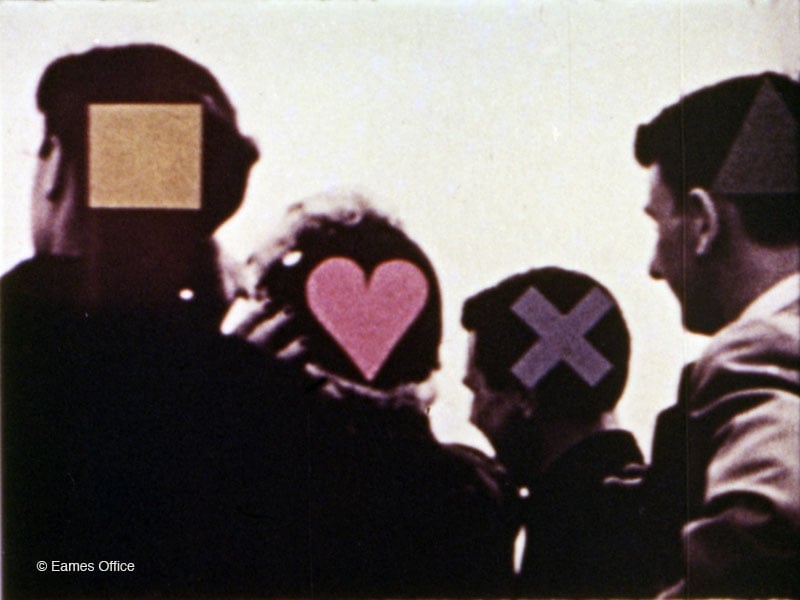
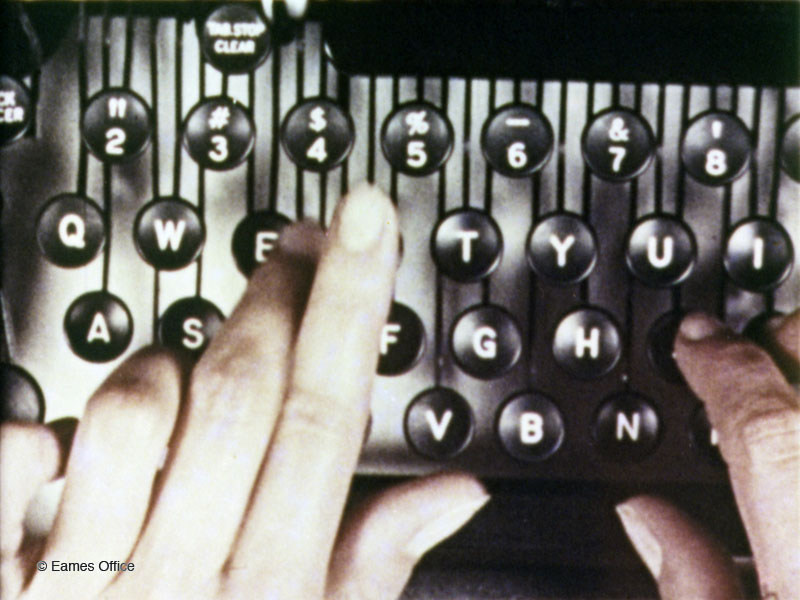
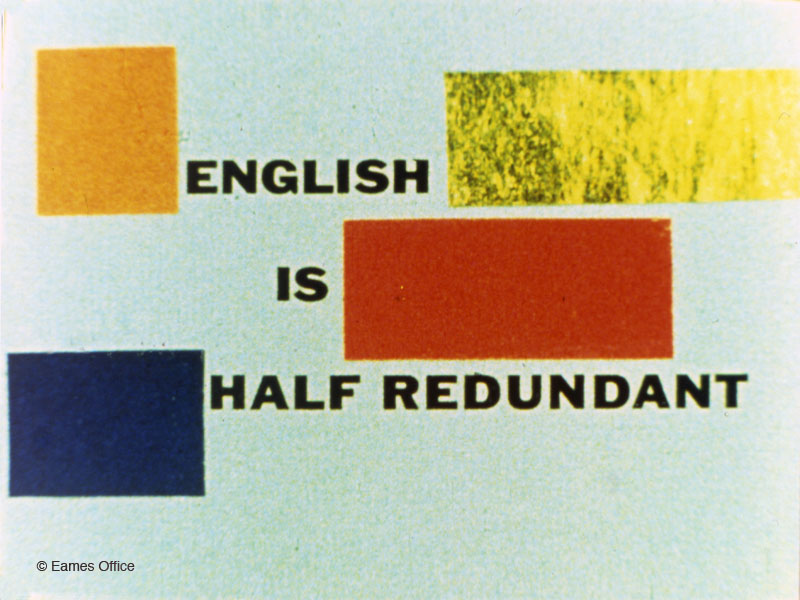
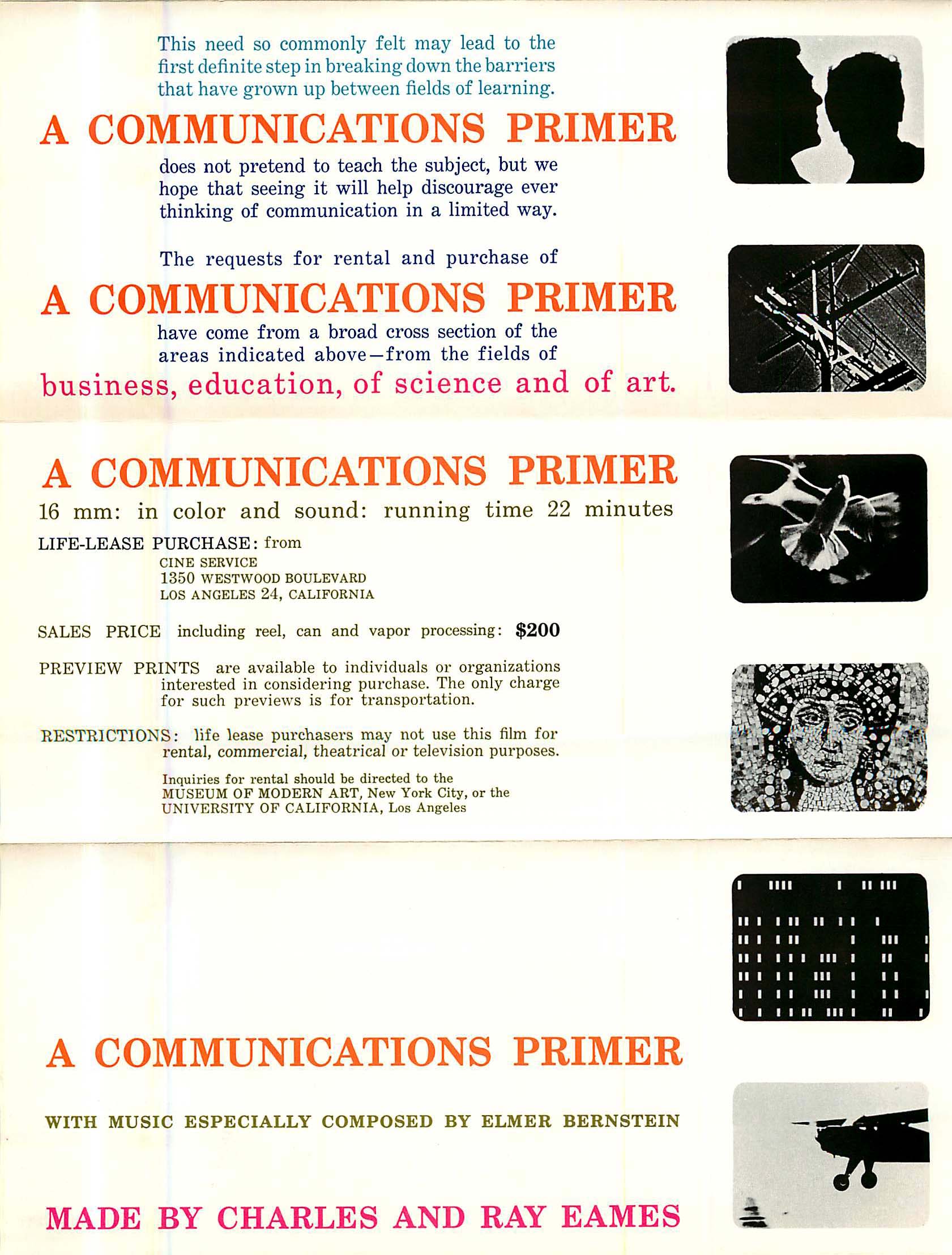
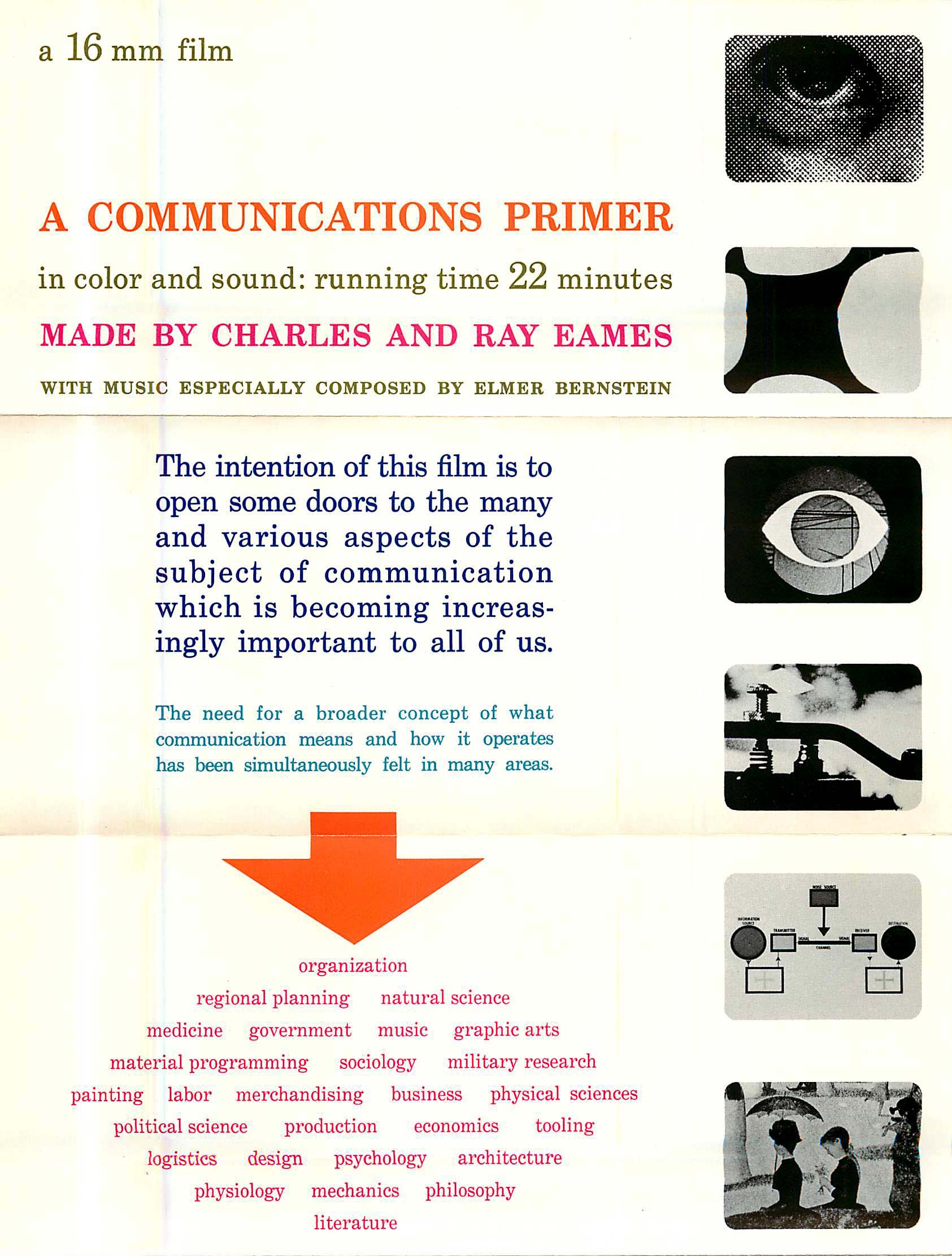
A first glimpse into the vast subject of communications, designed to open doors to some of the many aspects of a subject that is becoming increasingly important to all of us. The film takes the basic steps of communications theory and presents these steps in the warm terms of everyday experience, then proceeds to explore some of the broader aspects of the theory in hope that it may lead to the breaking down of barriers, of thinking between areas of learning, and discourage thinking of communication in a limited way. The subject has such a universal application, and the treatment is so direct and stimulating that this film already has a unique record for the scope and variety of its users: secondary schools, colleges, and universities. In business, art, engineering, sociology, and community work, or as a discussion background for courses and conferences. Music by Elmer Bernstein.
22 minutes
A Communications Primer explores the communications theory in terms of everyday experiences. It discloses the barriers of Man’s thinking habits and discourages the common limits of communications between people and society.
1953
Charles and Ray wanted A Communications Primer to inspire greater appreciation of the broad meaning of “communication” and to advocate the breakdown of barriers between various disciplines. Charles and Ray’s goal was to interpret and present current ideas on communications theory to architects and planners in an understandable way and encourage their use as tools in planning and design.
A Communications Primer was the first film produced by the Eames Office to include outside consultants and resources in significant ways. The film was based on the communications theory outlined in the 1949 book, The Mathematical Theory of Communication, by Claude Shannon.
The film uses Shannon’s Input/Output diagram and the theory of signal processing as its basis. Elements of the film were included in the Eameses’ Sample Lesson presentations at the University of Georgia and UCLA. It was subsequently refined and completed.
22 minutes. color.