
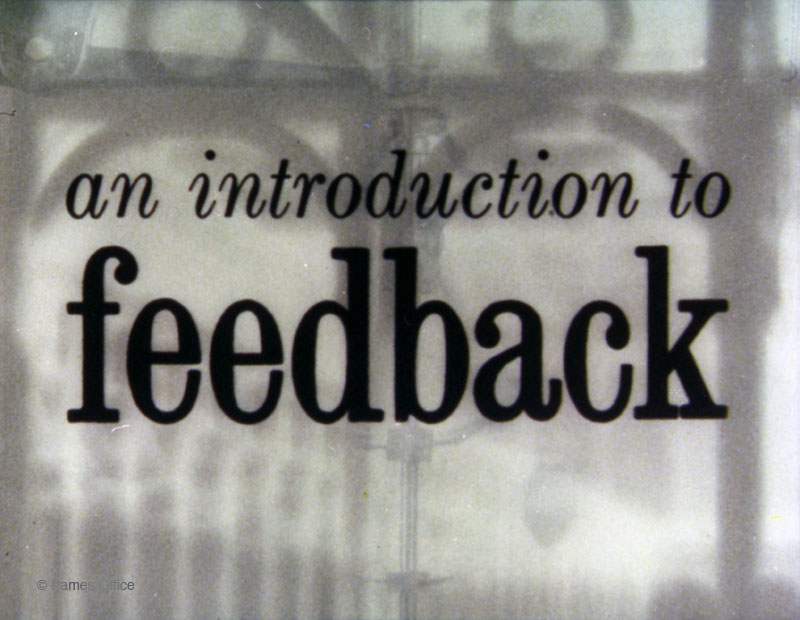
An Introduction To Feedback
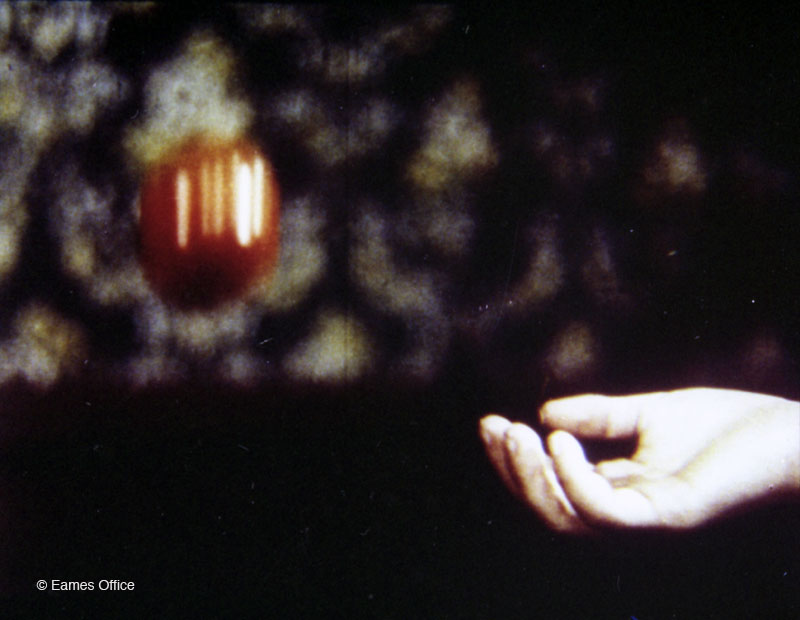
Drawing on analogies between the function of the feedback principle in everyday situations, and the way it works in the modern computer, this film explores this cycle by which performance is measured, evaluated against desired results, and corrected for future performance. The film draws analogies between the function of the feedback principle in everyday situations and the way it works in the modern computer. Situations as simple as a girl adapting her moves in a game of jacks, or and as complex as the mechanical operation of a ball governor regulating a steam engine, were filmed to demonstrate the process. The film won awards at the Festival International du Film du Montreal, the International Filmwoche in Mannheim, Germany, and the Melbourne Film Festival. Featured in the Festival International du Film de Montreal, 1961. Melbourne Film Festival Selected for participation, 1963. Music by Elmer Bernstein.
10 minutes, 40 seconds.
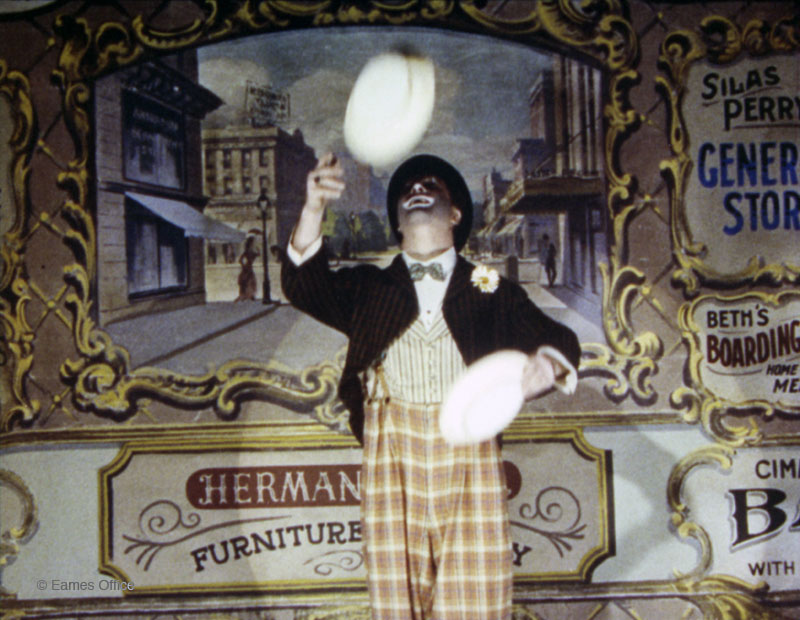
By using a large variety of familiar examples that all have the feedback principle in common, this film presents a broad view of the phenomena present in control mechanisms and social situations. Musical score by Elmer Bernstein.
Made for IBM.
Narrated by Victor H. “Vic” Perrin (26 April 1916 – 4 July 1989), an actor from Menomonee Falls, Wisconsin, United States, who began acting on radio in the 1940s, with his earliest known network role coming in 1946 as announcer on The Hollywood Music Hall. He became a frequent heavy on the radio version of the Western seriesGunsmoke (along with Lawrence Dobkin), in addition to regular roles on One Man’s Family and Fort Laramie. Over the next 40 years, he appeared in almost 40 movies and television series, about a hundred television guest appearances, and innumerable radio broadcasts. He appeared with Susan Oliver in the “People Are Alike All Over” episode of The Twilight Zone, and with Robert Lansing in the “Spotlight on a Corpse” episode of Michael Shayne.
Mr. Perrin’s facility with voices, the result of his radio background, earned him a number of voice-only roles, including multiple appearances on the original Star Trek. Fans of the 1960s cartoon Jonny Quest may remember him as the voice of the evil Dr. Zin.
Arguably his most famous voice-only role was as the Control Voice on both seasons of The Outer Limits (1963 – 1965), for which he provided the opening and closing commentary on each episode. Vic Perrin biographical text from the Star Trek Wiki: https://en.memory-alpha.org/wiki/Vic_Perrin
1960
10 minutes, 40 seconds. Color.
Won awards in 1961 at the Festival International du Film du Montreal and the International Filmwoche in Mannheim, Germany, and at the Melbourne Film Festival in 1963.
By using a large variety of familiar examples that all have the feedback principle in common, AN INTRODUCTION TO FEEDBACK presents a broad view of the phenomena present in control mechanisms and social situations. Musical score by Elmer Bernstein. Made for IBM.
1960
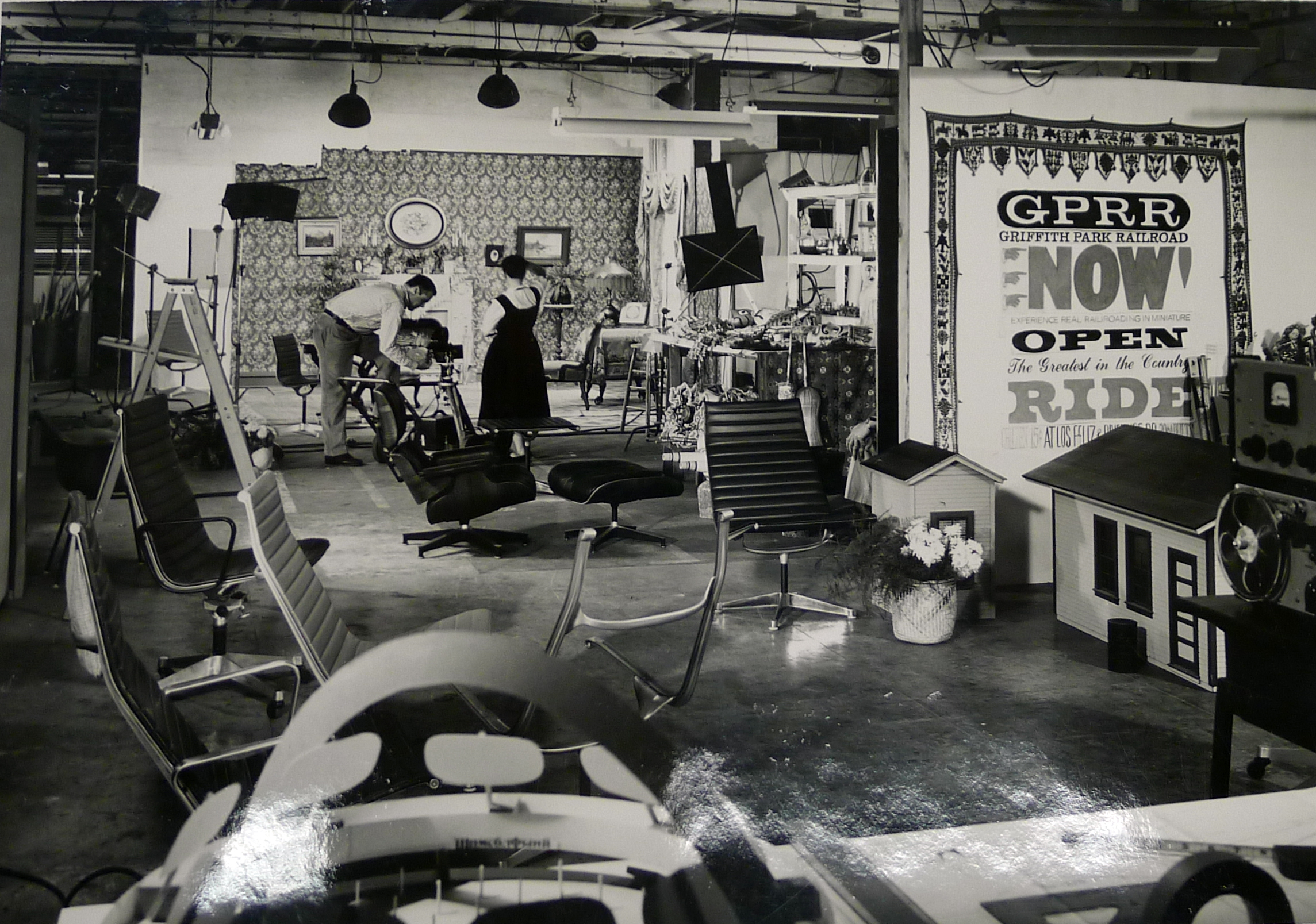
Charles and Ray viewed An Introduction to Feedback as one of a series of films about computers and the principles underlying their operation. Created as a sequel to A Communications Primer, Introduction to Feedback would have been the first Eames project completed for IBM, but they postponed production in order to make the film The Information Machine, shown by IBM at the Brussels World’s Fair in 1958.
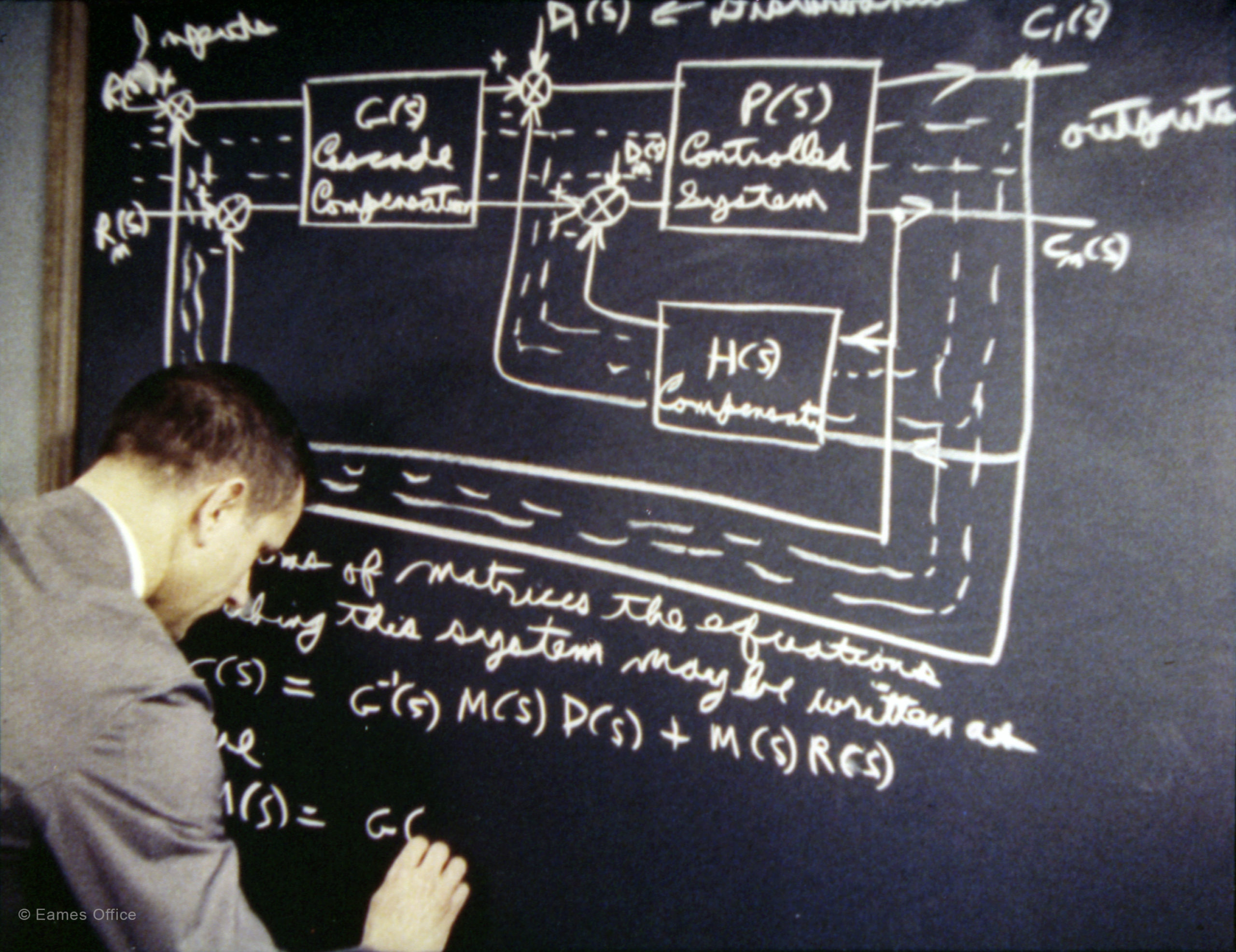
Introduction to Feedback was intended for an educational setting. The film focuses on the cycle by which performance is measured, evaluated against desired results, and corrected for future performance. The film draws analogies between the function of the feedback principle in everyday situations and the way it works in the modern electronic computer.
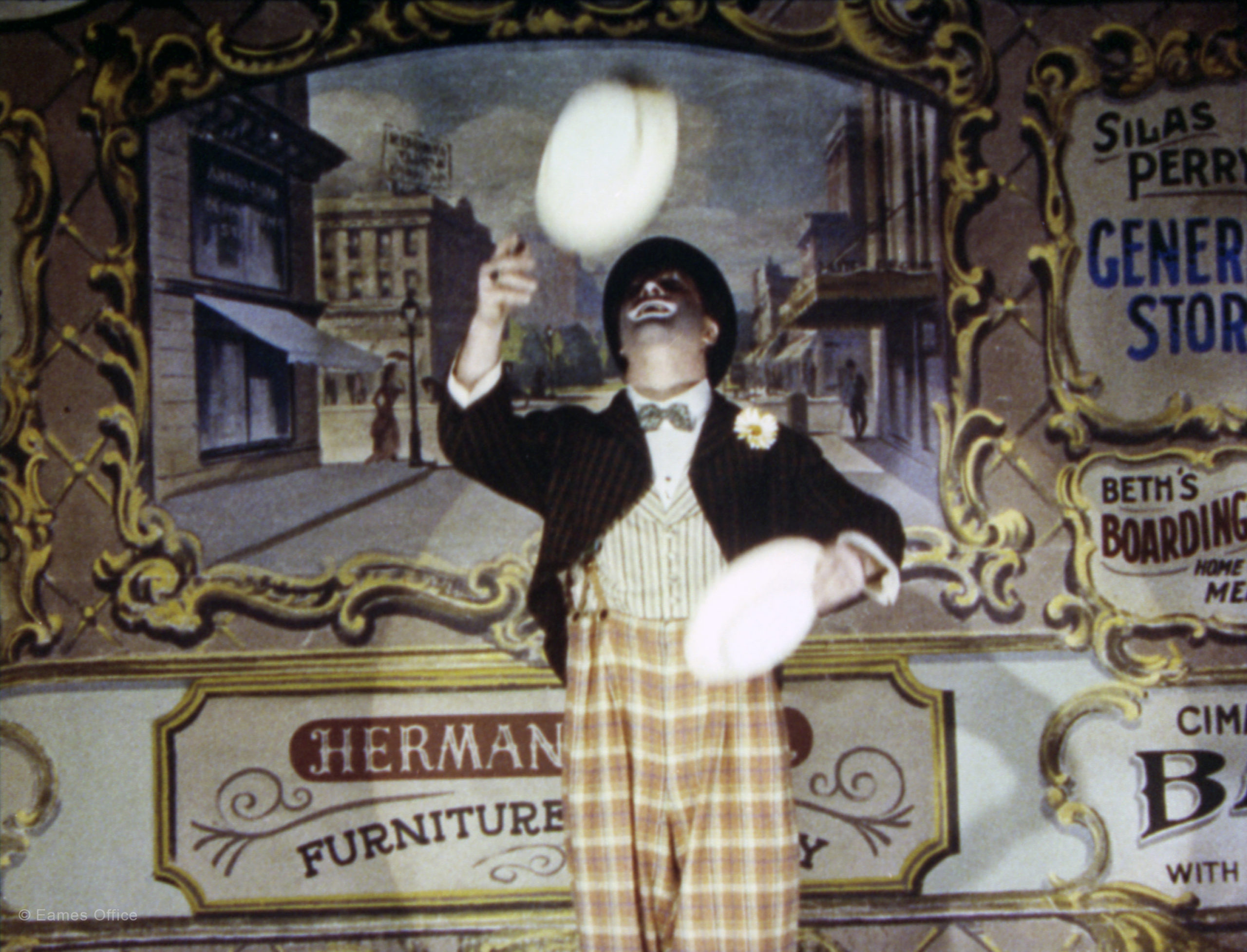
To demonstrate this process, the Eames Office filmed situations as simple as a girl adapting her moves in a game of jacks and as complex as the mechanical operation of a ball governor regulating a steam engine.
The film won awards at the Festival International du Film du Montréal and the International Filmwoche in Mannheim, Germany in 1961. It was also selected for participation in the Melbourne Film Festival in 1963.
Narrated by actor Vic Perrin.
10 minutes, 40 seconds. Color.