
Home » 1940s

1940s

  • CTW

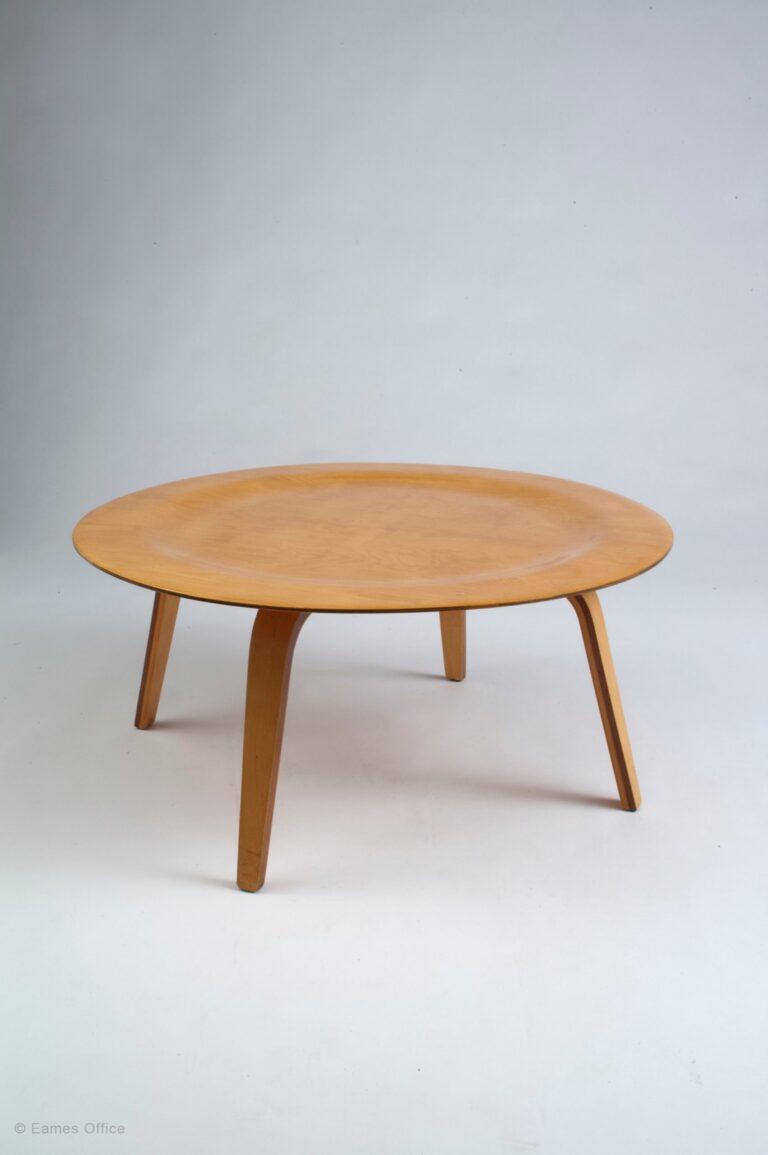
    1946 was a busy year for the Eames Office. Even as the New York molded furniture show at the Museum of Modern Art was winding down, Charles and Ray were working on perfecting the details of these round coffee tables. This is a furniture system of two pieces: they used the same tops with either…
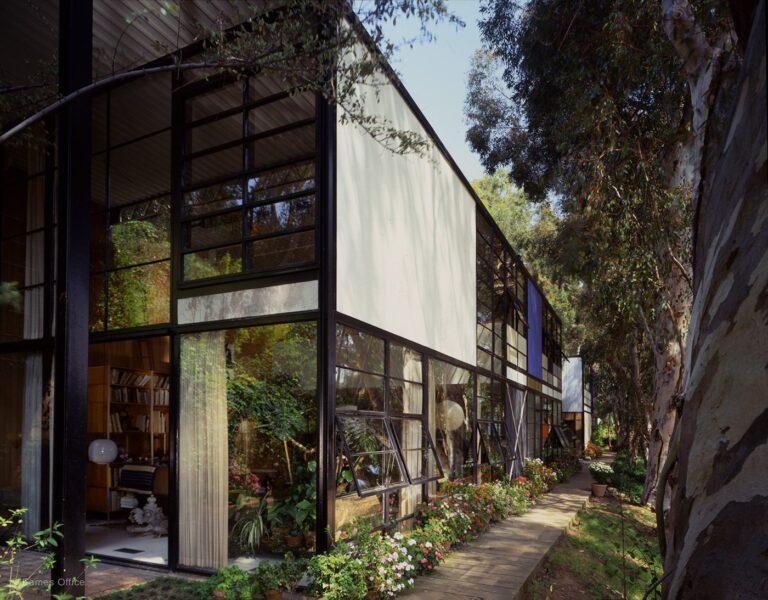
  • Case Study House #8

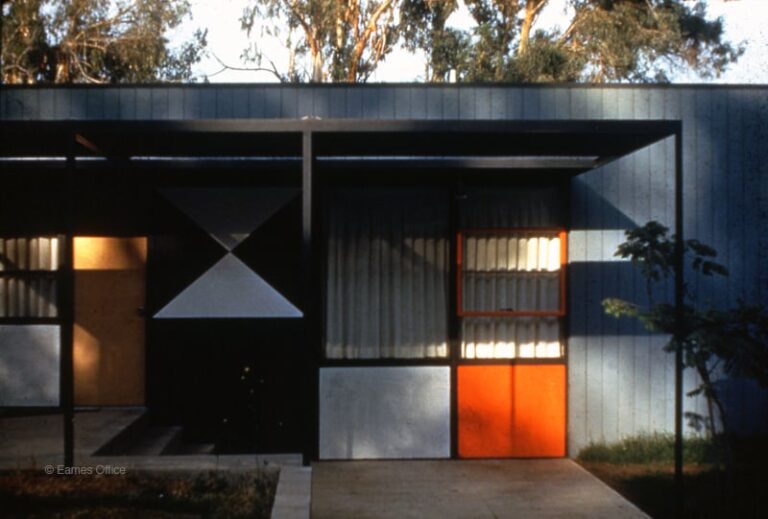
    The Eames House, Case Study House #8, was one of roughly two dozen homes built as part of The Case Study House Program. John Entenza, the editor and owner of Arts & Architecture magazine, spearheaded the program in the mid-1940s until its end in the mid-1960s. In a challenge to the architectural community, the magazine…

  • Dot Pattern

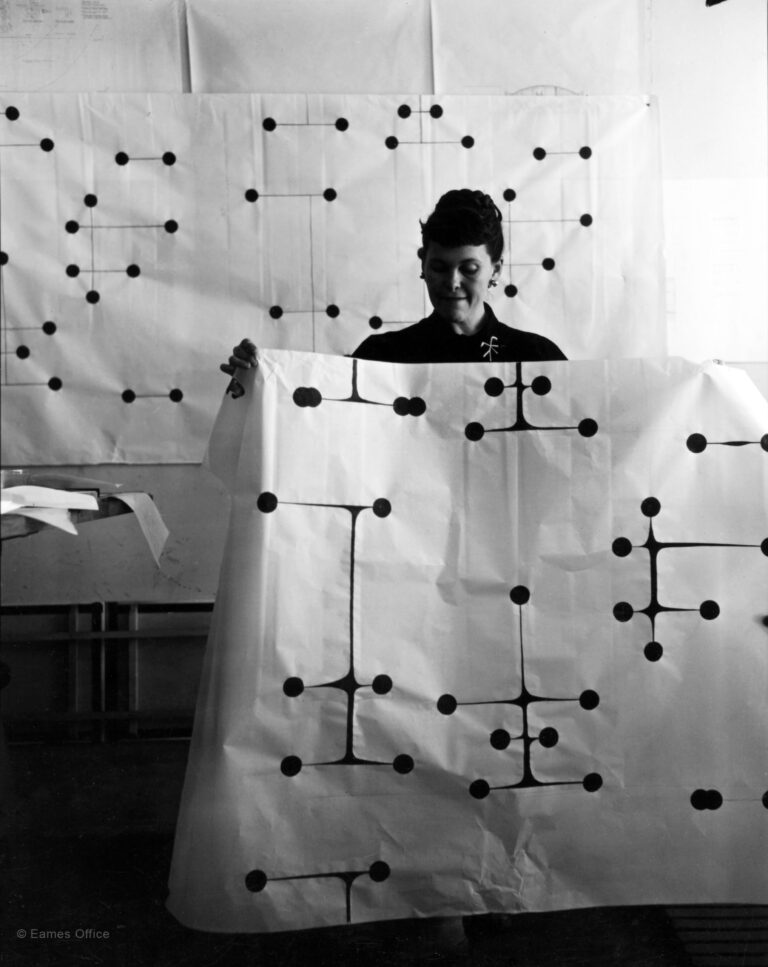
    Created in 1947, the Dot Pattern has survived as the most recognized textile design by Ray Eames. A 1950 article in Portfolio Magazine (Vol. 1 Issue 2) showed a preliminary Dot Pattern drawing adjacent to an image the Eameses took of the wire forms of the DCM, a dining chair made from two molded plywood…

  • Molded Plywood Leg Splint

    In 1942, the Eameses pondered how molded plywood could address a serious problem the Medical Corps was struggling to solve: The standard metal splints used to brace wounded World War II servicemen were causing further injuries due to the vibrations in the metal during transport. Within one year, Charles and Ray produced their first  Molded…

  • Radio Enclosures

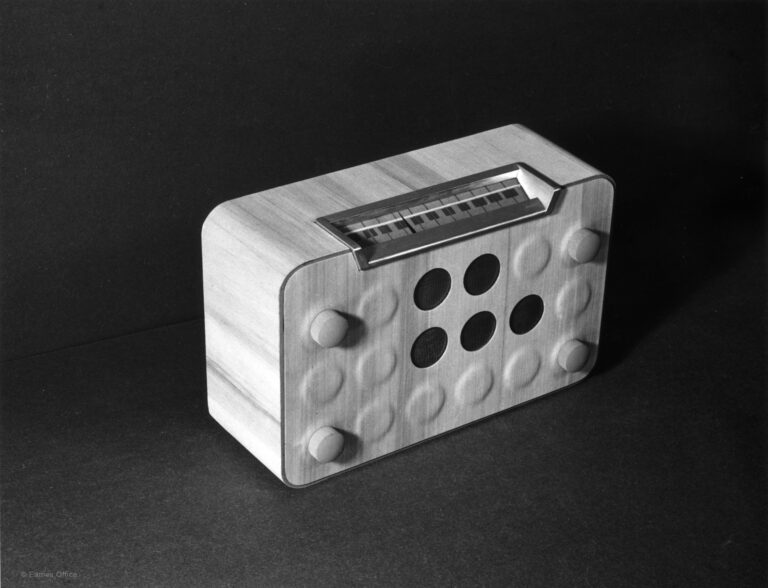
    A line of radio enclosures was yet another product of the Molded Plywood Experiments. Partnered with Evans Products, the Eames Office developed plywood enclosures to house the speakers. Manufacturers such as the Bendix Corporation, Emerson Radio, Farnsworth Company, Hamilton Radio Corporation, Federal Telephone & Radio Corporation, Majestic Radio, Magnavox, Stromberg Carlson Company, and Zenith Corporation…

  • Molded Plywood Animals

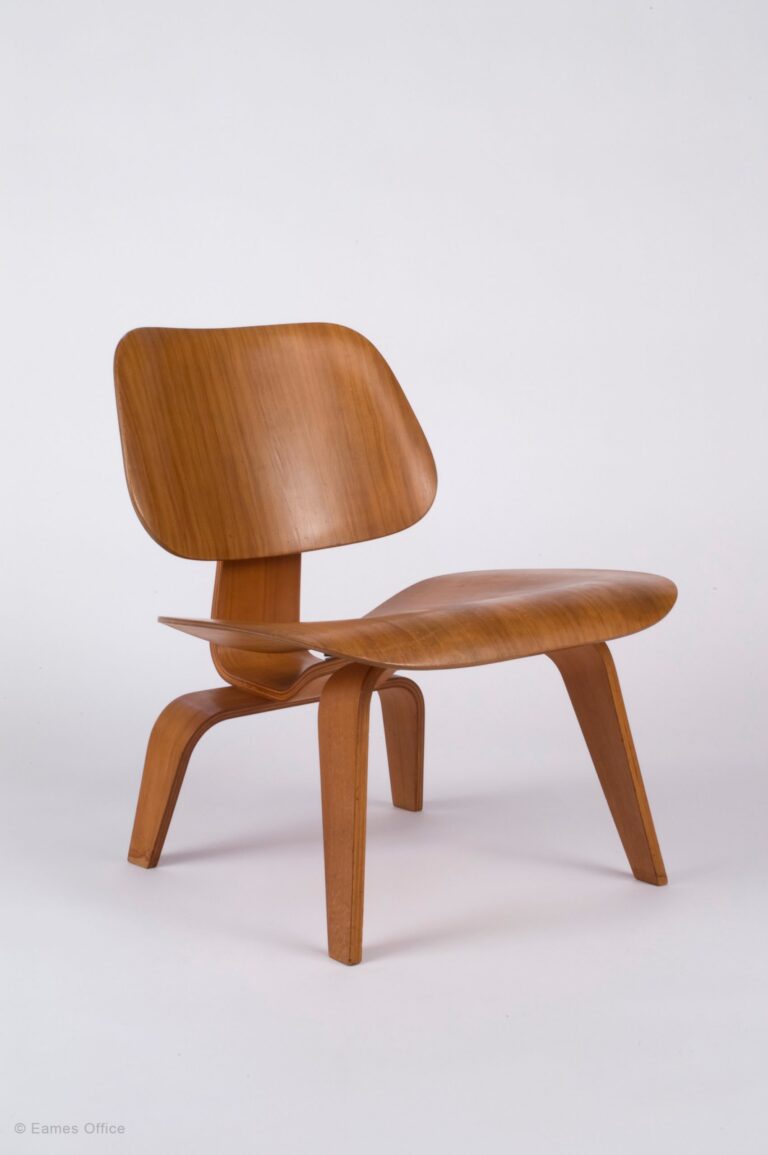
    During the famed molded plywood experiments which produced classics like the Eames LCW, the Eames Office designed a playful group of animals as toys or furniture for children. Furniture-making techniques adapted well to the forms of a four-legged animal. And since the animals were smaller items, it was economical for them to experiment with these…

  • Crosspatch

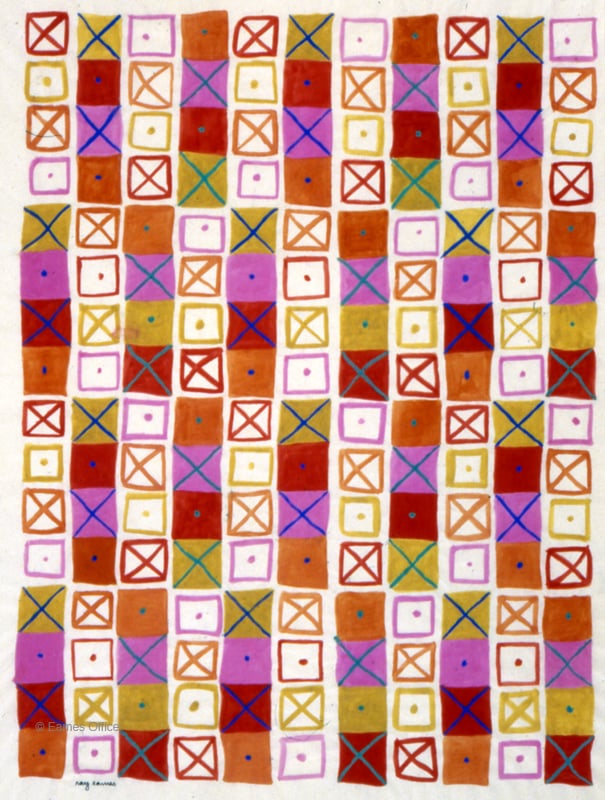
    Charles and Ray separately entered The Competition for Printed Fabrics sponsored by the Museum of Modern Art in 1947. The museum’s Department of Industrial Design organized the contest with jurors including architect Marcel Breuer, the Managing Editor of ART NEWS, and directors of multiple MoMA departments. Out of nearly 2,500 entries, four winners and fifteen…

  • Sea Things

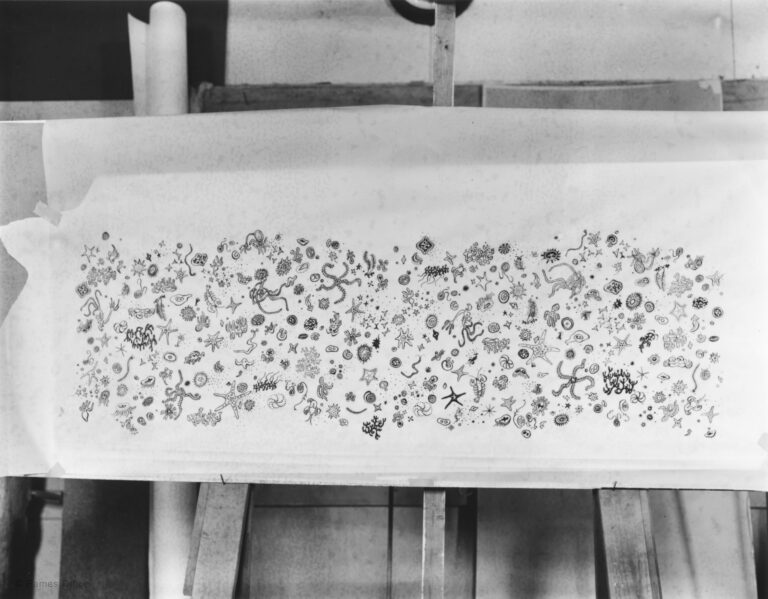
    In 1946, Charles and Ray entered The Competition for Printed Fabrics sponsored by the Museum of Modern Art. The museum’s Department of Industrial Design organized the contest with jurors including architect Marcel Breuer, the Managing Editor of ART NEWS, and directors of multiple MoMA departments. Out of nearly 2,500 entries, four winners and fifteen honorable…

  • DTW

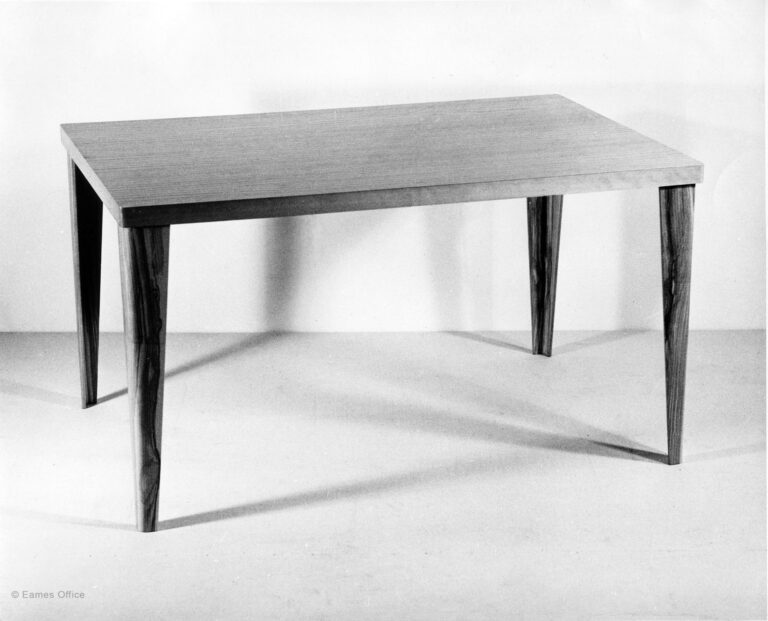
    Charles and Ray developed the DTW as a product of their process of developing their molded plywood chairs. In their exhibitions of the Eames molded plywood group in 1945 and 1946, two types of bent plywood tables were on display. The benches for the early case goods were flat planes of plywood with box edges and…

  • CTM

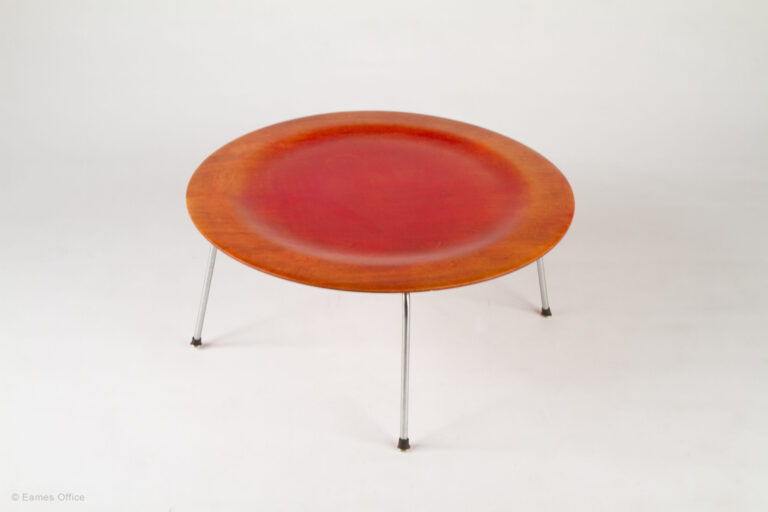
    1946 was a busy year for the Eames Office. Even as the New York molded furniture show at the Museum of Modern Art was winding down, Charles and Ray were working on perfecting the details of these round coffee tables: The CTW (Coffee Table Wood) and the CTM (Coffee Table Metal). This is a furniture…