
Home » 1940s » Page 4

1940s

  • CHILDREN’S PLYWOOD CHAIR

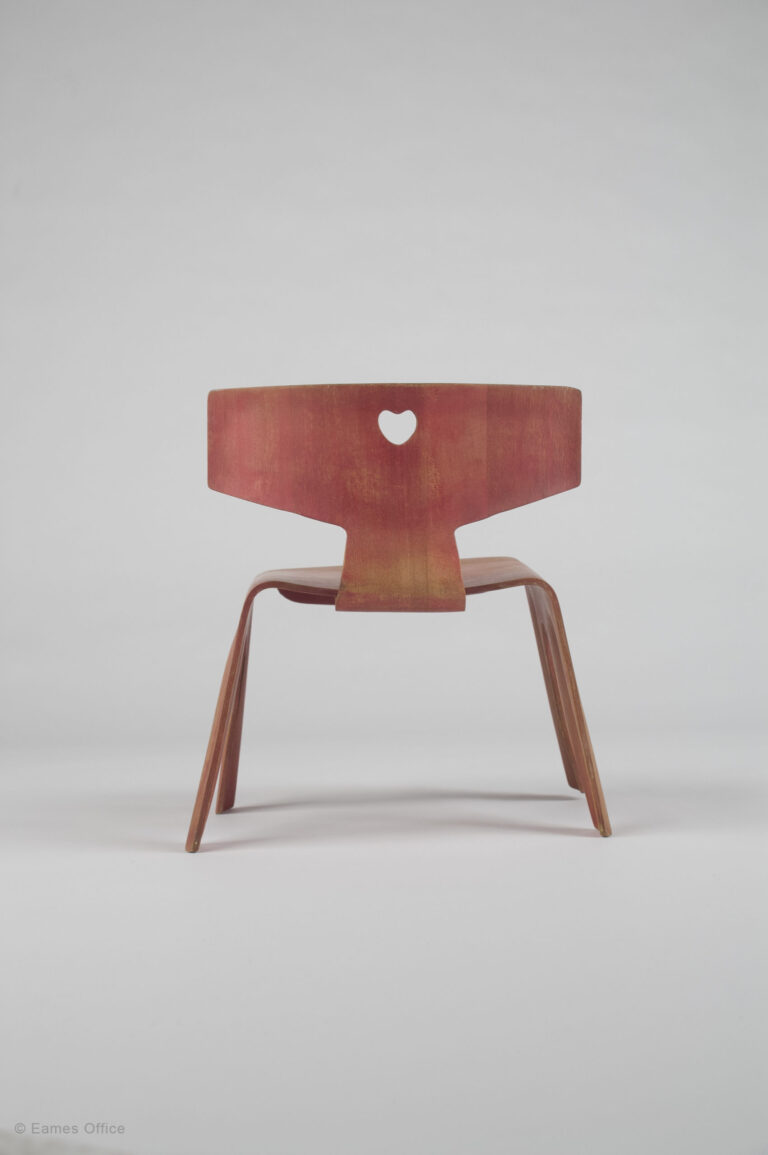
    The Children’s Chair was designed and produced using the wartime tooling they developed for leg splints and airplane parts. The chairs were made in two parts-the seat back extended downward as a brace, which was attached by a single rivet to the one-piece seat itself, molded with compound curves that folded down as its legs. …
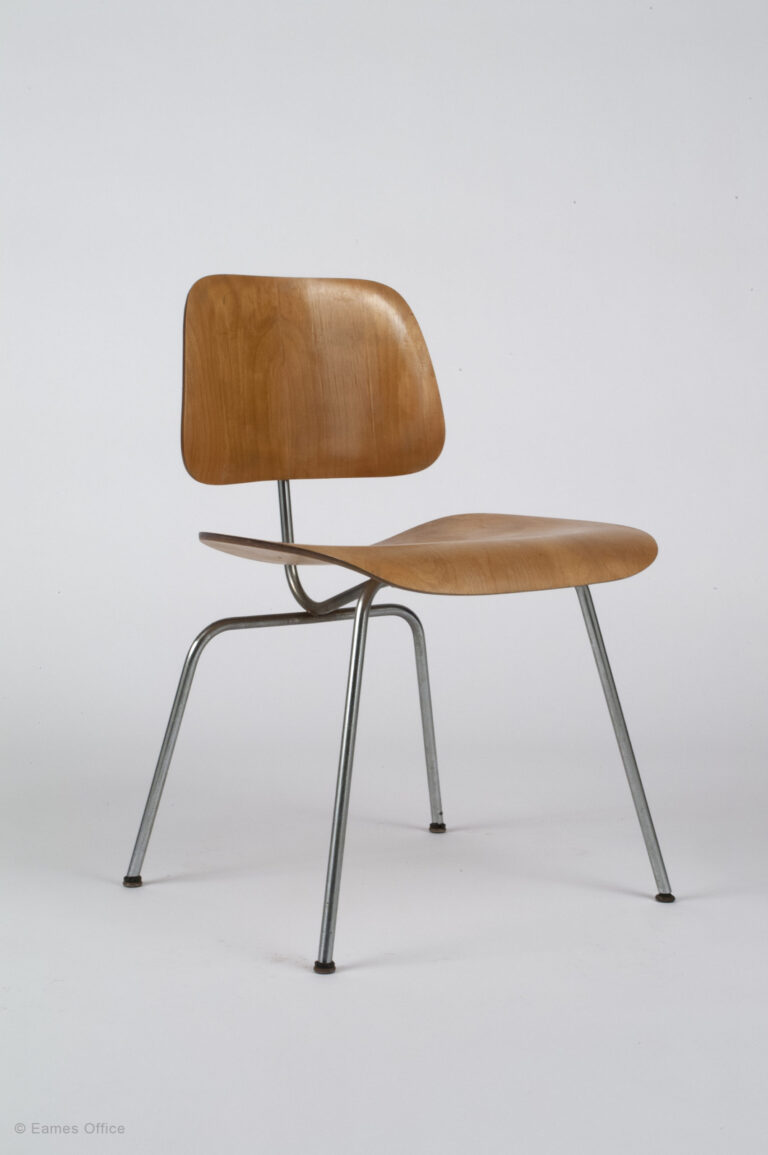
  • DCM

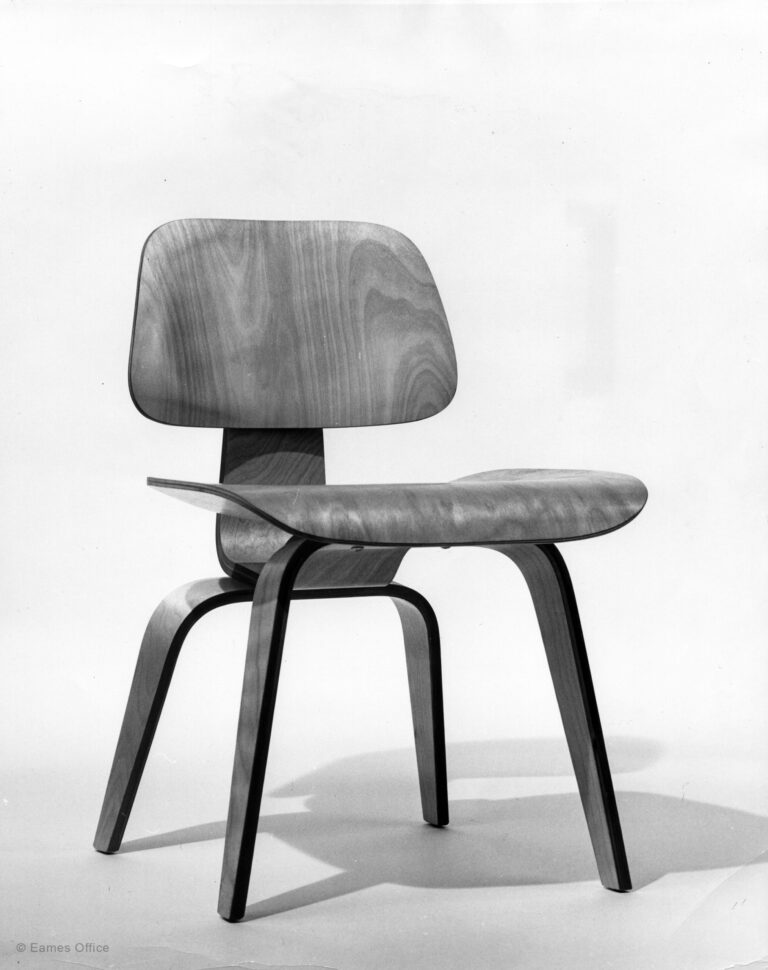
    The DCM  (Dining Chair Metal), dining chair wood with metal legs, was developed concurrently with the LCW. Charles and Ray had several key objectives in designing chairs. They wanted them to be reasonably priced, light, and durable. It was also important that they follow the body’s natural contours and flex with a person’s movements. Eames…

  • DCW

    Similar to the LCW, which Time magazine called “the chair of the century.” In 1945, as the sense grew that the war was coming to a close, the Eames Office, now two years old and some 15 people strong, turned its attention away from wartime work and back to furniture. Eames DCW The Eames DCW…

  • LCW

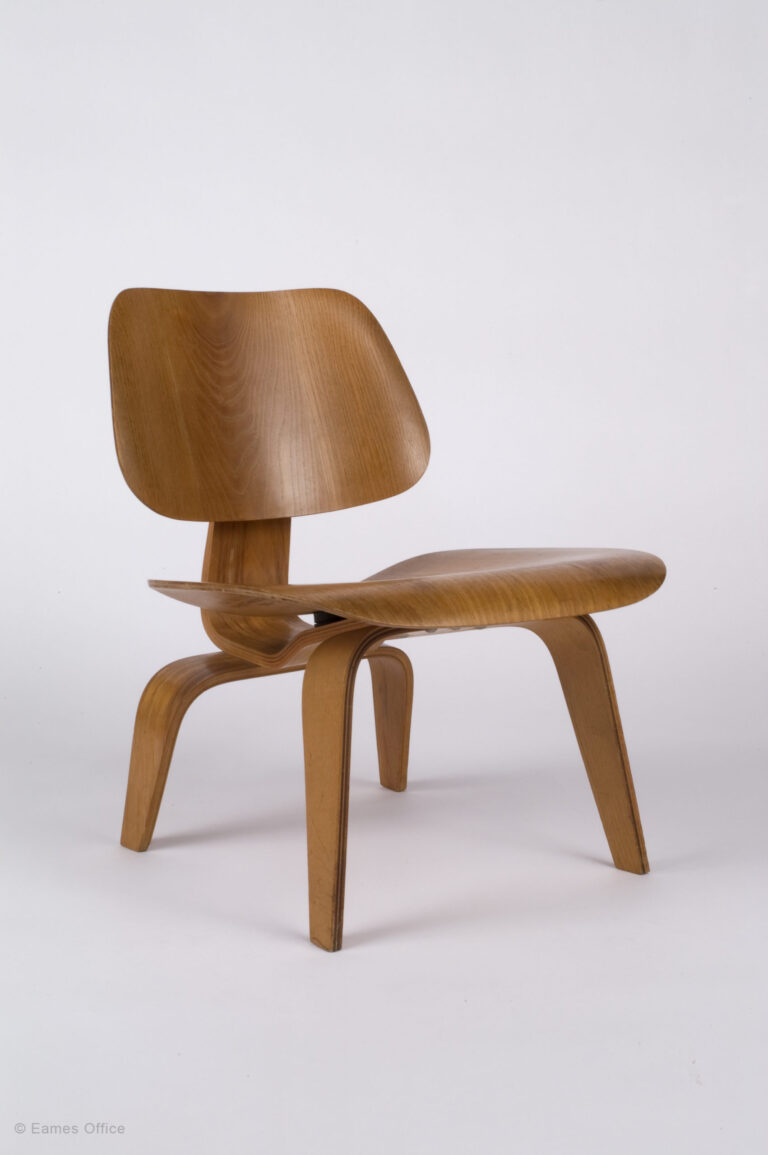
    Time magazine called the LCW “the chair of the century”. It was first made available to the public in 1946, and we still make it in the same configuration today. In 1945, as the sense grew that the war was coming to a close, the Eames Office, now two years old and some 15 people…

  • THREE-LEGGED CHAIRS

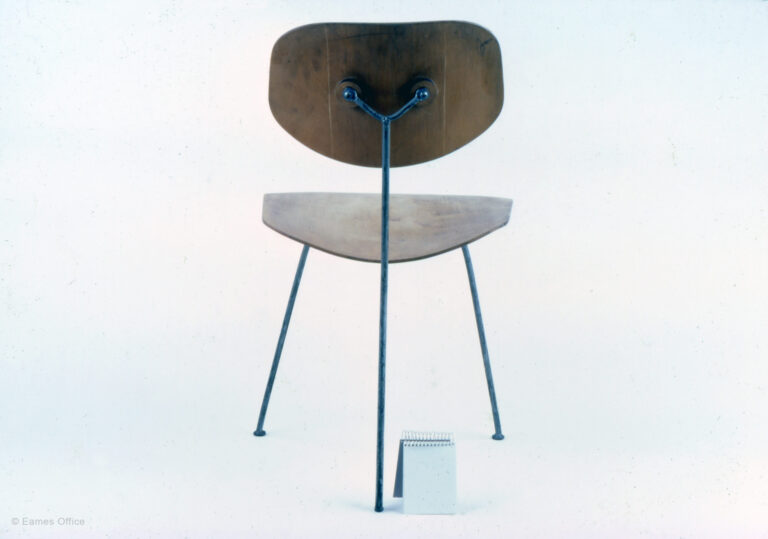
    In 1945, at the Barclay Hotel show, and in 1946 at the MoMA Eames exhibition, two types of molded plywood chairs were exhibited.  There were the DCW and LCW models we still make today, with molded plywood seats and backs and bentwood legs, and there were also several experimental 3-legged chairs. Eames Three-Legged Chairs The…

  • Kazam! Machine

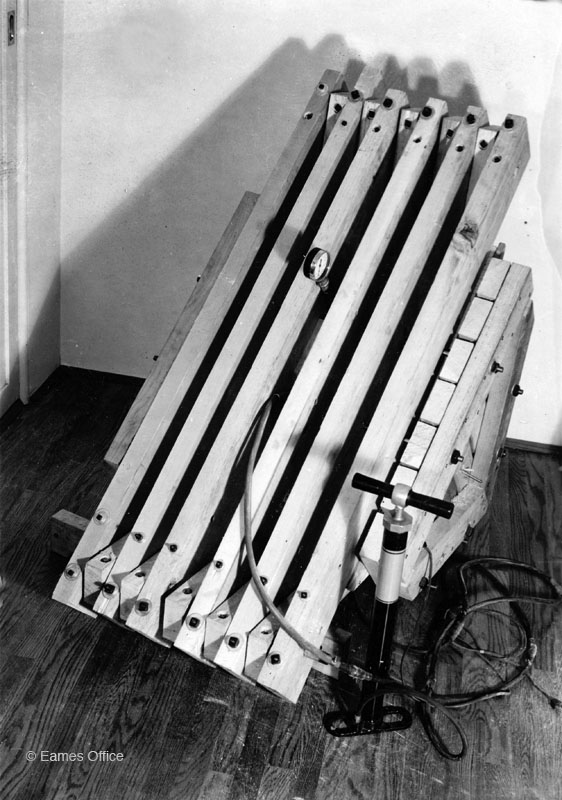
    Inside their Los Angeles apartment, Charles and Ray created a device that would help them achieve their goal of mass-producing molded plywood furniture with complex curves. They called this invention the Kazam! machine. Eames Kazam! Machine On January 8, 1942, Elliot Noyes wrote Charles Eames in frustration, explaining that “the whole project seems to be…

  • ORGANIC DESIGN CASE GOODS CABINETS

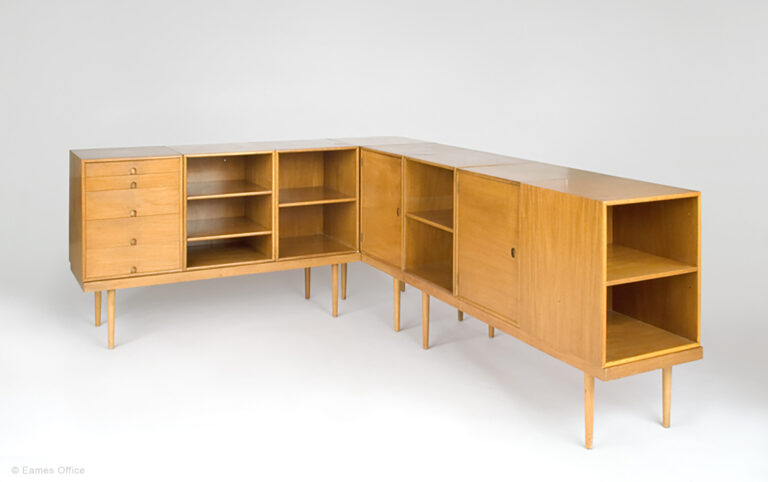
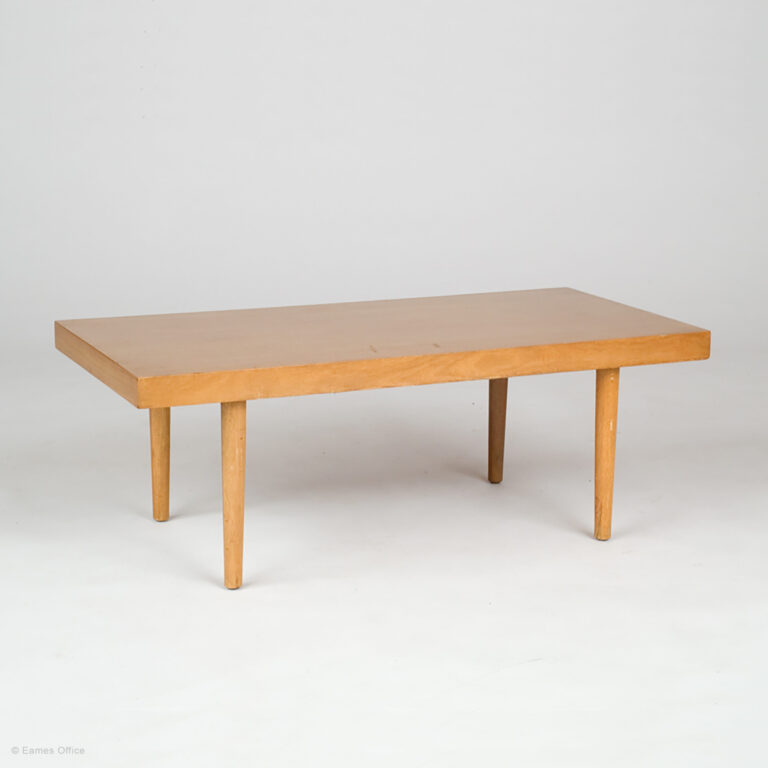
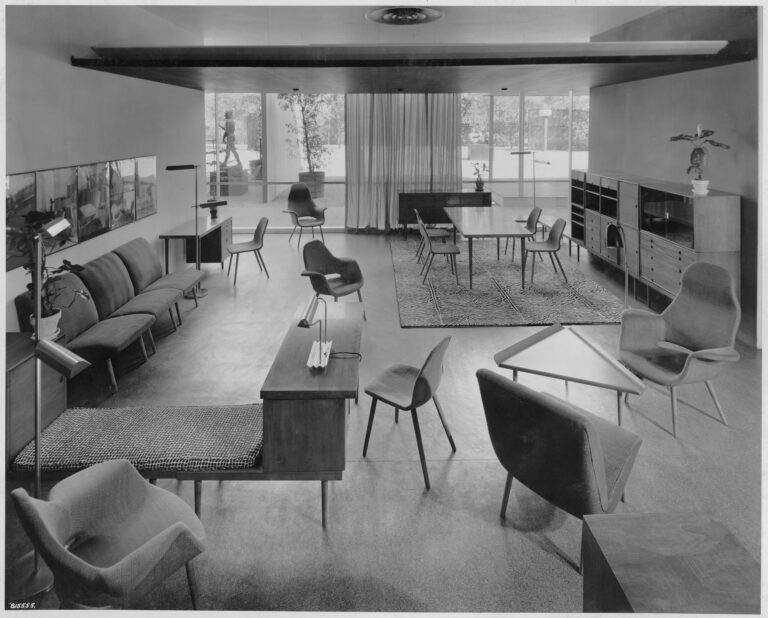
    To demonstrate the versatility of their First Place Prize-Winning Organic Design Case Goods, Eames and Saarinen submitted to the Museum of Modern Art, very detailed entry panels, including one on which they noted that their case goods system could be combined in 62,199,765 different combinations. They achieved this with three benches and nine different types…